
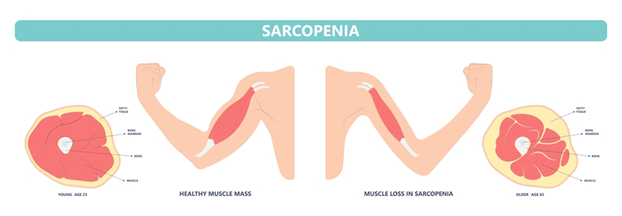
As we age, it’s common to experience changes in our bodies. One of the most noticeable changes is the loss of muscle mass and strength, which can have a significant impact on our overall health and wellbeing. This process is known as sarcopenia, and it affects millions of older adults around the world.
Sarcopenia is defined as the loss of skeletal muscle mass and strength that occurs with age. It’s estimated that between 5% and 13% of adults over the age of 60 have sarcopenia, and the prevalence increases with age. By the age of 80, up to 50% of individuals may have sarcopenia.
What Causes Sarcopenia?
There are several factors that contribute to the development of sarcopenia. The most significant factor is age, as the process of muscle loss begins in our 30s and accelerates as we get older.
Other factors include:
Physical Inactivity
A lack of physical activity can accelerate muscle loss, as our bodies require regular exercise to maintain muscle mass and strength.
Poor Nutrition
A diet lacking in protein and essential nutrients can contribute to sarcopenia.
Hormonal Changes
Changes in hormone levels, particularly a decline in testosterone and growth hormone, can contribute to muscle loss.
Chronic Illnesses
Certain chronic illnesses, such as heart disease, diabetes, and cancer, can contribute to muscle loss.
Medications
Certain medications, such as corticosteroids and some antipsychotic drugs, can contribute to muscle loss.
Symptoms of Sarcopenia
The symptoms of sarcopenia can vary depending on the severity of muscle loss. Some common symptoms include:
Weakness: A loss of strength and stamina, which can make it difficult to perform daily activities.
Fatigue: Feeling tired or exhausted, even with minimal exertion.
Difficulty Walking: Reduced mobility and balance, which can increase the risk of falls and injuries.
Loss of Independence: Difficulty performing activities of daily living, such as bathing, dressing, and cooking.
Reduced Quality of Life: Sarcopenia can impact overall health and wellbeing, leading to a reduced quality of life.
Preventing and Treating Sarcopenia
While sarcopenia is a natural part of aging, there are steps that can be taken to prevent or slow its progression. These include:
- Regular Exercise: Resistance training and aerobic exercise can help to maintain muscle mass and strength.
- Good Nutrition: A diet rich in protein and essential nutrients can help to prevent muscle loss.
- Hormone Therapy: In some cases, hormone therapy may be recommended to help build muscle mass and strength.
- Medications: Certain medications, such as anabolic steroids, may be prescribed to help build muscle mass and strength.
- Lifestyle Modifications: Quitting smoking, reducing alcohol consumption, and getting enough sleep can all contribute to maintaining muscle mass and strength.
In conclusion, sarcopenia is a common condition that affects millions of older adults worldwide. While it’s a natural part of aging, there are steps that can be taken to prevent or slow its progression. By staying physically active, eating a healthy diet, and making lifestyle modifications, it’s possible to maintain muscle mass and strength well into old age.
Consultation about sarcopenia is available at Body Viva, located in Rochedale South. Call Dr Charles Kumar on (07) 3841 8015 to set up a consultation to see if sarcopenia is the right treatment option for you. Alternatively, visit the Body Viva website to make a booking (please select Dr Charles Kumar when booking).
 Dr. Charles Kumar