
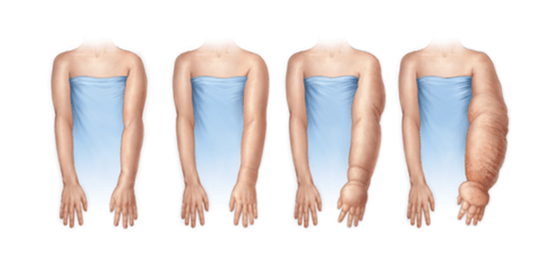
Lymphoedema is a chronic condition that affects the lymphatic system, leading to swelling and fluid buildup in the limbs, trunk, and other parts of the body. It’s estimated that around 200 million people worldwide live with lymphoedema, and it can have a significant impact on a person’s physical and emotional well-being. In this article, we’ll explore what lymphoedema is, what causes it, and how it can be managed.
What is Lymphoedema?
Lymphoedema is a condition that occurs when the lymphatic system, which helps to remove excess fluid and waste from the body, is compromised. This can happen when the lymphatic vessels or nodes are damaged or blocked, leading to an accumulation of lymph fluid in the tissues. This can cause swelling, discomfort, and a range of other symptoms.
There are two types of lymphoedema:
Primary Lymphoedema
This type of lymphoedema is caused by an inherited genetic abnormality that affects the development of the lymphatic system. It can occur at any age, but it’s more common in women and tends to develop in the legs.
Secondary Lymphoedema
This type of lymphoedema is caused by damage to the lymphatic system due to surgery, radiation therapy, infection, injury, or other medical conditions. It can occur at any age and can affect any part of the body.
Symptoms of Lymphoedema
The symptoms of lymphoedema can vary depending on the severity and location of the swelling, but some common signs include:
- Swelling of the affected limb(s) or body part(s)
- A feeling of heaviness or tightness in the affected area
- Limited range of motion
- Discomfort or pain in the affected area
- Infections and skin changes, such as redness, rash, or hardening of the skin
Managing Lymphoedema
While there is currently no cure for lymphoedema, there are several ways to manage the condition and reduce its impact on daily life. Some common strategies include:
Compression Therapy
This involves wearing special compression garments, such as stockings or sleeves, to help reduce swelling and improve circulation.
Exercise
Gentle exercise, such as walking or swimming, can help to stimulate the lymphatic system and improve overall circulation.
Manual Lymphatic Drainage (MLD)
This is a specialized massage technique that can help to reduce swelling and improve lymphatic flow.
Skin Care
Proper skin care can help to prevent infections and other skin-related complications associated with lymphoedema.
Medications
Certain medications, such as diuretics or antibiotics, may be prescribed to help manage lymphoedema-related symptoms.
In conclusion, lymphoedema is a chronic condition that can have a significant impact on a person’s quality of life. While there is no cure, there are several strategies that can help to manage the condition and improve overall well-being. If you suspect that you may have lymphoedema, speak with your healthcare provider about appropriate treatment options.
Consultation about lymphoedema is available at Body Viva, located in Rochedale South. Call Dr Charles Kumar on (07) 3841 8015 to set up a consultation to see if lymphoedema is the right treatment option for you. Alternatively, visit the Body Viva website to make a booking (please select Dr Charles Kumar when booking).
 Dr. Charles Kumar